Instantly access the workforce data layer you’re relying on

Every AI decision in a mining operation ends with a person. Someone operates the equipment, issues the permit, interprets the output or signs off the critical control. The industry has spent years governing the data about the equipment and far less on the data about that person.
Asked where the opportunity in AI sits, the panellists at Austmine’s AI in Mining event in Melbourne, MyPass CEO Matt Smith among them, came at the question from different angles and landed in the same place. The opportunity depends on the state of the data underneath it, and on whether that data can be trusted.
Data readiness is the foundation AI is built on
Data readiness in mining usually means geological data, sensor data, equipment data and process data. Those engineering and operational layers get the attention, the governance frameworks and the investment in digital twins.
The workforce data layer sits underneath all of it and is still treated as an HR problem. It tells an operator who is on site, what each person is verified to do, whether their certificates are genuine and whether their training is current. It also establishes whether the person operating the equipment is the person the system thinks is operating it.
Every AI decision in a mining operation reaches a person who has to act on it, whether they are operating equipment, issuing a permit, interpreting an output or signing off a critical control. Where the workforce data behind those responsibilities cannot be trusted, neither can the decisions that depend on it.
Siloes are a structural barrier that integration cannot fix
Workforce data sits in separate employer databases, so records are recreated and credentials re-verified each time a worker moves to a new site or a new client. Operators lack real-time visibility across their contractor networks. Contractors repeat the verification process to deploy someone whose qualifications have already been checked by somebody else. Regulatory expectations are advancing faster than the infrastructure underneath them, which leaves the Accountable Officer carrying personal liability without an actionable view of the workforce.
Better integration does not solve that. Thirty operators integrating with three hundred contractors across a thousand training providers is a map of complexity. The fix is changing who owns the credential. When the worker owns it, verified once and reused everywhere, the whole stack above it becomes more trustworthy as well as faster.
AI readiness has to be built before AI is deployed
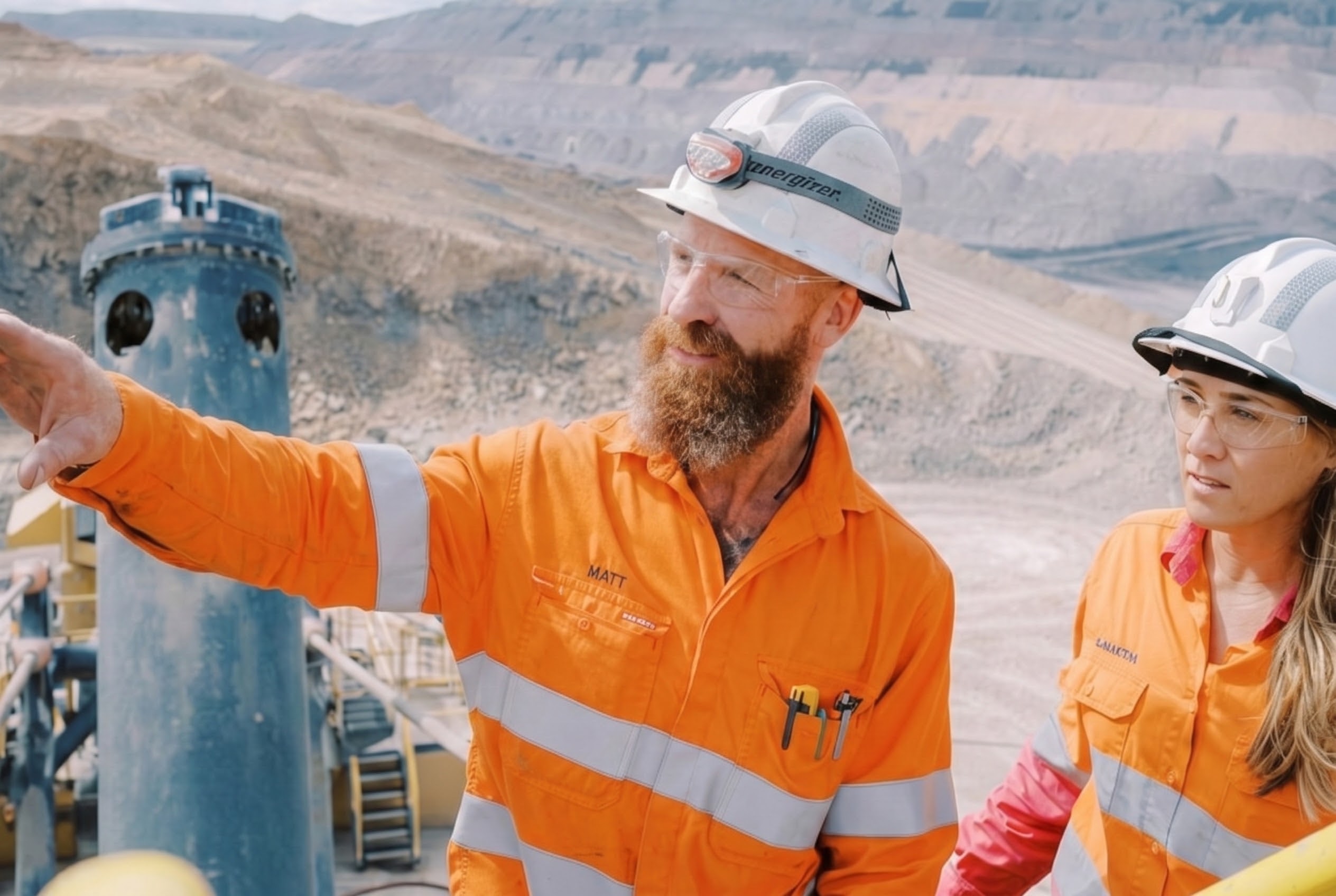
MyPass CEO Matt Smith joined Austmine's AI in Mining panel in Melbourne. Asked where the opportunity in AI sits, the panellists came at the question from different angles and landed in the same place. The opportunity depends on the state of the data underneath it.
Everything downstream depends on whether that data can be trusted. Clean, deduplicated, validated, and connected across the systems that rely on it. The AI hype has not changed those requirements. It has raised the cost of getting them wrong.
The hype in early 2026 was that software was dead, that anything could be vibe-coded, and that enterprise SaaS was about to be replaced. Six months on, the picture is more measured. Benefits are emerging for individuals and for departments, with limited deployment across whole organisations.
There are pockets where people have vibe-coded things and got benefits within a department, but absolutely zero had been rolled out enterprise-wide, because you need enterprise-grade solutions, you need security, you need access permissions.
Matt Smith, CEO, MyPass Global
Technology will not fix broken processes. Where an organisation cannot map its current state, workarounds and manual steps included, applying AI accelerates handoffs and loops nobody understood were there. That is not the promise technology providers like to make, and it is the reality the industry needs to work with.
The expert in the loop is non-negotiable
A human reviewing an output is a safeguard. An expert reviewing an output is a competitive advantage. The expert knows what good looks like coming out of the model, how to map the process the model is operating inside, and when an answer should trigger a second check.
A review step earns its place when the reviewer has the relevant expertise, enough information to assess the recommendation, and the time to act on it. Those three requirements deserve as much design attention as the model itself.
For mining equipment, technology and services companies worried about being out-spent and out-tokened by the majors, this is the lane that compounds. Hardware becomes more accessible every quarter and models become cheaper. What does not commoditise is the person who has spent twenty years in a specific technical niche and can say in thirty seconds why the model is right, why it is wrong, or why it is now asking the right question.
The same logic holds for workforce competency. An organisation that relies on an expert to oversee a decision needs a defensible basis for determining who is qualified to perform that role.
Trust at scale now lives in the data model and the contract
Buyers in mining and energy are moving from trusting their suppliers to knowing in real time. They want green ticks rather than document access, with evidence of who was verified, when, by whom, and under what governance arrangement.
The part most suppliers have not noticed yet sits in the contract. At an executive breakfast roundtable MyPass co-hosted in Santiago earlier this year, lawyers working on Chile's new data privacy laws gave the room blunt advice. The sharpest conversation in enterprise AI is no longer about who owns the data. It is about who carries the liability when something goes wrong.
The default position in a contract with a major miner is that the supplier carries it. If the miner uses the supplier's data, algorithms, software or AI application, the supplier is on the hook. That is rarely questioned until something goes wrong on site, and then the questions get specific fast. Did the sensor return the wrong data? Was the algorithm wrong? Who built it, and was it co-built? Or was the output interpreted incorrectly on the operator's side? Those questions belong in the contract rather than the incident review.
Trust at scale has become structural. It lives in the data model, the access permissions, the data sovereignty settings, and the contract clauses that assign liability when something goes wrong.
Workforce readiness belongs inside AI readiness
As one of the panellists put it, it starts and finishes with business value. In practice that means involving the people who will use the technology from the outset and understanding what they need to make it work on site.
Over the past twelve years MyPass has built a worker-owned credential model now used across 1,500 mining, energy and heavy industry organisations. That experience has shaped our view that trusted workforce data is fundamental to how a mine operates. If AI is going to support decisions about who can do the work, the information behind those decisions has to be as reliable as the data about the equipment they operate.